

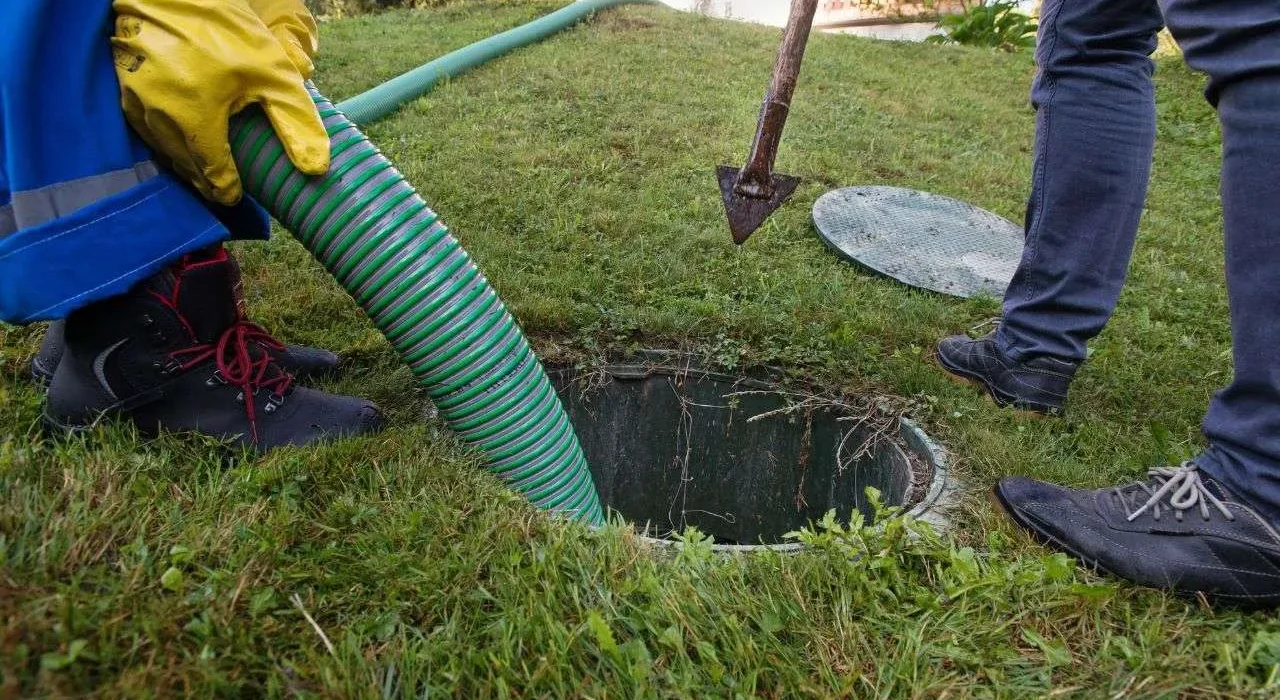
A well-maintained septic system is the unsung hero of a healthy home environment. Often hidden from view, your septic tank silently and efficiently manages your household wastewater. One of the key pillars of septic system maintenance is regular septic tank pumping. In this article, we’ll explore the importance of septic tank pumping in maintaining a healthy home environment and preventing costly issues.
Section 1: The Vital Role of a Septic System
To understand the significance of septic tank pumping, let’s first delve into the vital role that a septic system plays in your home:
1.1 Wastewater Treatment
A septic system is responsible for treating all the wastewater generated in your home, including water from toilets, sinks, showers, and laundry. It treats this wastewater on-site, eliminating the need for connection to a municipal sewage system.
1.2 Environmental Responsibility
A properly functioning septic system ensures that wastewater is treated and disposed of in an environmentally responsible manner. It prevents contamination of groundwater and protects local ecosystems.
1.3 Property Value
A well-maintained septic system adds value to your property. When it’s time to sell your home, a properly functioning septic system can be a selling point that attracts potential buyers.
Section 2: How a Septic System Works
Before discussing septic tank pumping, let’s briefly examine how a septic system operates:
2.1 Septic Tank
The septic tank is the heart of the system. It receives all the wastewater from your home. Inside the tank, solids settle at the bottom, and bacteria break down organic matter. The liquid wastewater exits the tank and flows into the drain field.
2.2 Drain Field
The drain field, also known as the leach field, is where the liquid wastewater is further treated and dispersed into the soil. The soil acts as a natural filter, purifying the wastewater before it returns to the environment.
Section 3: The Importance of Septic Tank Pumping
Regular septic tank pumping is a cornerstone of septic system maintenance. Here’s why it’s crucial:
3.1 Prevents System Overload
Over time, solids and scum accumulate in the septic tank. If these solids are not removed through pumping, they can reach a critical level, leading to system overload. Regular pumping prevents this overload, ensuring the tank functions as intended.
3.2 Avoids Drain Field Damage
If the septic tank becomes too full and allows solids to enter the drain field, it can lead to clogging and damage. A damaged drain field can result in sewage backups, foul odors, and costly repairs. Pumping prevents this scenario.
3.3 Maintains Efficient Waste Decomposition
Regular pumping removes excess solids from the septic tank, allowing the beneficial bacteria to continue breaking down organic matter efficiently. This ensures that the treatment process remains effective.
3.4 Extends the Tank’s Lifespan
A septic tank that is regularly pumped and maintained can last for several decades. Neglecting pumping can lead to premature tank failure, necessitating a costly replacement.
Section 4: Recommended Pumping Frequency
The frequency of septic tank pumping depends on various factors, including:
- Tank Size: Larger tanks can hold more waste and may require less frequent pumping.
- Household Size: The number of occupants in your home affects wastewater production. Larger households may require more frequent pumping.
- Water Usage: High water usage, such as excessive laundry or frequent showers, can lead to more wastewater entering the tank, necessitating more frequent pumping.
- Waste Type: The type of waste you dispose of in your septic system can impact pumping frequency. Avoid flushing non-biodegradable items or harsh chemicals.
As a general guideline, experts recommend pumping your septic tank every 3 to 5 years. However, it’s crucial to consult with a professional septic service provider to determine the ideal pumping schedule for your specific system based on these factors.
Section 5: Signs That Your Septic Tank Needs Pumping
In addition to following a recommended pumping schedule, it’s important to recognize the signs that your septic tank may need pumping sooner:
5.1 Slow Drains
If you notice that sinks, showers, bathtubs, or toilets are draining more slowly than usual, it may indicate that your septic tank is reaching capacity.
5.2 Foul Odors
Unpleasant odors in and around your home can be a clear indicator of septic system issues. If you detect foul sewage odors, it’s a sign that gases and wastewater are not being properly contained or treated.
5.3 Sewage Backups
Sewage backups in your home are a severe problem that requires immediate attention. If wastewater backs up into sinks, bathtubs, or toilets, it’s time to schedule a septic tank pumping.
5.4 Lush Grass Over the Drain Field
An unusually lush and green patch of grass over your drain field can be a sign of septic system issues. It suggests that liquid wastewater is not being properly absorbed into the soil, indicating a potential problem with your septic tank.
5.5 Standing Water or Puddles
Standing water or puddles forming in your yard, particularly near the septic tank or drain field, can indicate a septic system problem. It suggests that the drain field is not effectively dispersing liquid wastewater.
Conclusion
A healthy home environment relies on a well-maintained septic system, with septic tank pumping at its core. By adhering to a recommended pumping schedule and recognizing the warning signs of a full septic tank, homeowners can ensure the health and functionality of their septic systems for years to come.
Remember that professional septic service providers have the expertise and equipment to perform septic tank pumping safely and effectively. Consulting with professionals for routine maintenance and pumping is the best way to protect your investment and enjoy trouble-free wastewater management. A healthy home environment begins with a healthy septic system.