

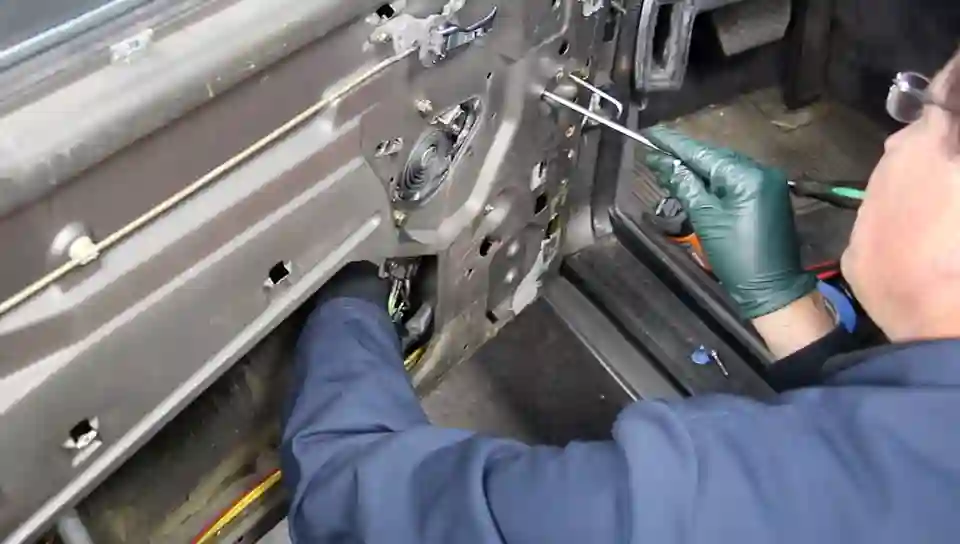
Your car’s windows are not just for letting in light and enjoying the view; they also play a crucial role in ventilation, climate control, and safety. The mechanism responsible for the smooth operation of your windows is the window regulator. However, like many automotive components, window regulators can fail over time if not properly maintained. In this article, we’ll discuss the importance of regular maintenance in preventing window regulator failures and provide you with practical tips to keep this vital component in optimal working condition.
Understanding Window Regulators:
Before delving into maintenance, let’s take a moment to understand what window regulators are and how they work. Window regulators are mechanical or electrical devices that allow you to raise and lower your car’s windows with ease. They consist of various components, including gears, cables, pulleys, and, in the case of power windows, an electric motor. When you press the window switch or crank the window handle, the regulator system translates your input into the movement of the window glass.
The Importance of Window Regulator Maintenance:
Window regulators are subject to wear and tear due to their frequent use. Neglecting their maintenance can lead to several issues, including:
- Inoperative Windows: One of the most noticeable signs of a failing window regulator is a window that won’t move when you press the switch or turn the crank.
- Slow or Jerky Movement: Window regulators can become sluggish over time, causing the windows to move slowly or in an erratic manner when activated.
- Unusual Noises: Malfunctioning window regulators can produce strange noises, such as grinding, clicking, or screeching, when you operate the windows.
- Stuck Windows: In some cases, a window can become stuck in an open or closed position, leaving you with a potentially unsafe or uncomfortable situation.
Preventive Maintenance Tips:
Here are some practical preventive maintenance tips to ensure your window regulators function smoothly and avoid costly repairs or replacements:
- Regular Lubrication: Lubricating the moving parts of your window regulators is crucial to reduce friction and wear. Use a high-quality silicone or lithium-based grease recommended by your vehicle’s manufacturer. Apply the lubricant to the window tracks, rollers, and any pivot points.
- Clean the Window Tracks: Window tracks can accumulate dirt, debris, and residue over time. Regularly clean the tracks to prevent obstruction and ensure smooth window operation. Use a soft brush or cloth to remove debris and a silicone spray to lubricate the tracks after cleaning.
- Inspect for Wear: Periodically inspect the window regulator components for signs of wear, such as frayed cables, damaged gears, or loose connections. Address any issues promptly to prevent further damage.
- Operate Windows Smoothly: When using your windows, avoid applying excessive force. If you encounter resistance or unusual noises while operating the windows, stop and investigate the problem.
- Check Window Alignment: Ensure that your windows are properly aligned within their tracks. Misaligned windows can put extra stress on the regulator mechanism, leading to premature wear.
- Address Electrical Issues: If your vehicle has power windows and you notice erratic behavior, such as slow movement or intermittent operation, have the electrical system inspected and repaired by a qualified technician.
- Keep Windows Clean: Keeping your windows clean can prevent dirt and grime from accumulating on the window tracks and affecting the regulator’s operation. Regularly clean both the interior and exterior surfaces of your windows.
- Winter Precautions: During cold winter months, be cautious when operating your windows if they are frozen. Trying to force frozen windows open can strain the regulator. Gently tap the ice with a soft tool or use a de-icing solution to thaw the window before attempting to open it.
- Avoid Slamming Doors: Slamming your car doors with excessive force can transmit shock to the window regulator and its components. Close doors gently to minimize stress on the system.
- Regular Vehicle Inspections: Incorporate window regulator checks into your routine vehicle inspections or maintenance visits. A qualified technician can assess the condition of your window regulators and make recommendations for any necessary repairs.
When to Seek Professional Help:
While preventive maintenance goes a long way in preventing window regulator failures, there may come a time when professional assistance is needed. Here are some situations where you should seek the expertise of a qualified technician:
- Persistent Issues: If you experience persistent problems with your windows, such as slow movement or unusual noises, it’s advisable to have a professional inspect the window regulators and address any underlying issues.
- Stuck Windows: If a window becomes stuck in an open or closed position, do not attempt to force it. Seeking professional help is essential to avoid further damage or injury.
- Electrical Problems: If you suspect electrical issues with your power windows, such as a non-responsive switch or intermittent operation, consult a qualified technician with expertise in automotive electrical systems.
- Complex Repairs: For complex window regulator repairs, such as cable replacement or motor repairs, it’s best to rely on the skills of a trained professional who has the necessary tools and expertise.
Conclusion:
Regular maintenance is the key to preventing window regulator failures and ensuring that your car’s windows operate smoothly and reliably. By following the preventive maintenance tips outlined in this article and seeking professional assistance when needed, you can extend the lifespan of your window regulators, avoid unexpected issues, and enjoy the convenience and safety of fully functional windows in your vehicle.