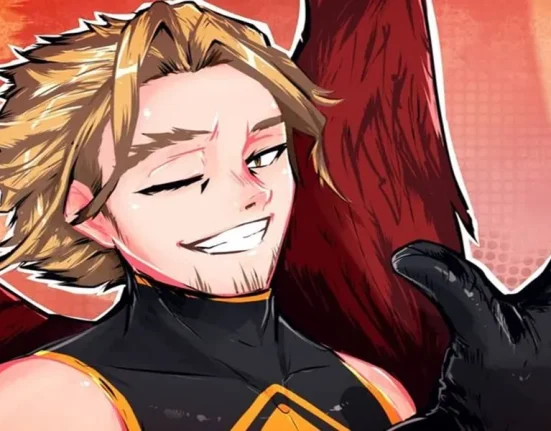


In the world of Webtoon XYZ, where visual storytelling takes center stage, character design plays a pivotal role in captivating readers and making a lasting impression. The way characters look, dress, and express themselves can deeply influence the narrative and reader engagement. In this article, we’ll explore the art and magic of character design, offering insights and techniques to help creators breathe life into their Webtoon XYZ cast.
The Power of Memorable Characters
Memorable characters are the heart and soul of any successful Webtoon XYZ series. They serve as the entry point for readers into the narrative, and their development can significantly impact the story’s success. Here’s why character design matters:
- Reader Connection: Well-designed characters are relatable and evoke emotions in readers. A strong connection with characters can keep readers engaged and invested in the story.
- Visual Appeal: Eye-catching character designs draw readers in and pique their interest. Unique and visually appealing characters can help your Webtoon XYZ series stand out.
- Identification: Characters often represent different aspects of the human experience, allowing readers to identify with their struggles, dreams, and growth.
- Narrative Development: Characters drive the plot forward through their actions, decisions, and interactions. A strong character design can inform the character’s role in the story.
The Basics of Character Design
Character design involves more than just creating a visually appealing image. It’s about crafting a three-dimensional persona that readers can connect with. Here are some foundational elements to consider:
- Character Backstory: Begin by developing a backstory for your character. Consider their past experiences, motivations, and personality traits. Understanding the character’s history will inform their design.
- Physical Appearance: Determine the character’s age, gender, and physical attributes. Pay attention to details like hairstyle, clothing, and accessories, which can convey important information about the character’s personality and role in the story.
- Personality Traits: Characters should have distinct personalities. Think about their strengths, weaknesses, quirks, and flaws. These traits will influence their actions and interactions within the story.
- Visual Themes: Consider visual themes or motifs that are relevant to the character’s role or personality. For example, a character associated with nature might have earthy colors and floral patterns in their design.
- Consistency: Maintain consistency in character design throughout your series to ensure that readers can easily identify and connect with each character.
Visual Storytelling Through Character Design
Character design is not limited to static images. It’s also a powerful tool for visual storytelling. Here’s how you can use character design to convey narrative elements:
- Expressive Faces: Pay attention to facial expressions. Expressive faces can convey a wide range of emotions, helping readers understand the character’s feelings and reactions.
- Body Language: Use body language and poses to communicate the character’s mood, intentions, and state of mind. A slouched posture may signify sadness or defeat, while a confident stance can indicate determination.
- Costume Changes: Consider how a character’s clothing may change over time or in different situations. Costume changes can signify character growth, personal transformation, or significant events in the story.
- Symbolism: Integrate symbolic elements into the character’s design to foreshadow events, convey themes, or hint at hidden depths. These symbols can add depth to the character and the narrative.
Diversity and Representation
Diversity in character design is essential to creating inclusive and representative Webtoon XYZ series. Reflecting a variety of backgrounds, ethnicities, genders, and identities in your character cast can enrich the storytelling experience and resonate with a broader range of readers. Research and sensitivity are key when approaching diversity in character design to avoid stereotypes or harmful portrayals.
Character Development Over Time
Webtoon XYZ’s episodic format allows characters to evolve and grow over time, providing ample opportunities for character development. Creators should consider the following:
- Character Arcs: Plan character arcs that encompass personal growth, challenges, and changes in relationships. Show how characters learn from their experiences and develop as individuals.
- Visual Evolution: Reflect character development in their design. Changes in appearance, clothing, or hairstyle can signify personal transformations or pivotal moments in the character’s journey.
- Consistency: Maintain a balance between visual evolution and consistency. While characters should evolve, their core design elements should remain recognizable to readers.
Audience Engagement and Feedback
Engaging with your audience can provide valuable insights into character design. Encourage readers to share their thoughts and opinions on your characters, and be open to feedback. Reader engagement can also inspire fan art and fan fiction, offering new perspectives on your characters.
Iterate and Experiment
Character design is not a one-time endeavor. Creators should be willing to iterate and experiment with character designs based on audience feedback and evolving narrative needs. Don’t be afraid to make adjustments to characters’ appearances or personalities if it enhances the story.
Conclusion
Character design is a magical and essential aspect of Webtoon XYZ creation. Memorable characters bring life to your narrative, engage readers, and enrich the storytelling experience. By paying attention to backstory, personality traits, visual themes, and the use of character design for visual storytelling, creators can craft characters that resonate with readers and elevate their Webtoon XYZ series to new heights. Remember, character design is an ongoing journey that evolves alongside your narrative, and its magic lies in its ability to breathe life into your digital creations.