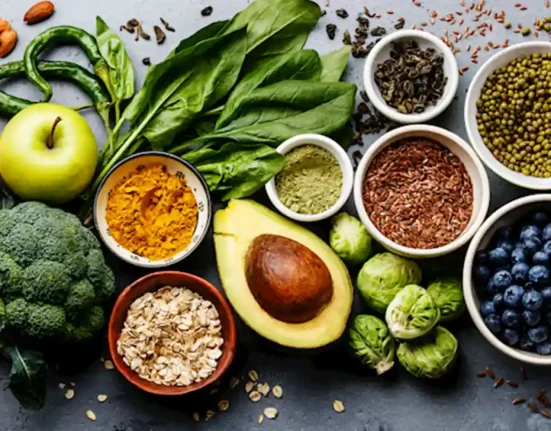


If you’re trying to stick to a budget, choosing the healthiest foods can seem like a chore. Fortunately, you don’t need to spend a fortune to fill your cart with nutritious choices.
Before you head to the grocery store, make a list of the items you need. Then follow these tips: 1. Shop the Outside Aisles.
1. Shop the Outside Aisles
Many dietitians and health professionals recommend “shopping the perimeter” as a way to fill your cart with healthier options. The reasoning is that the fresh produce, meat and dairy sections are located around the outside of the store while the inner aisles contain more processed foods.
While this is a great idea, there are exceptions to the rule. The bakery is an example of an area that is not always a healthy choice because it often contains high-sugar items like croutons and salad dressings.
However, the center aisles can still provide some healthy options. For instance, cereals that are whole grain and low in sugar can be found here along with non-fat or 1% milk and vegetable based oils like olive or canola. You can also find dried fruits and veggies here as well as unsalted nuts.
2. Look for the Heart-Check Mark
The Heart-Check Mark is an easy, reliable way to help shoppers quickly identify foods that can support a healthy eating plan. The distinctive red-and-white symbol is displayed on products that meet the American Heart Association’s scientifically proven nutrition requirements.
The list of Heart-Check foods and recipes is growing. You’ll find the mark on lean meats, whole grains, fruits and vegetables, low-sodium snacks, nuts and more. But you’ll also see it on products that might surprise you, like deli meat and baked goods.
Developed in 1995, the Heart-Check Food Certification Program and symbol was designed to fill a void by allowing consumers to quickly and reliably identify foods that at least meet U.S. Food and Drug Administration regulations to make a heart disease health claim. It has the highest aided awareness and trust among leading on-package nutrition icons.
3. Read Nutrition Facts Labels
Taking the time to learn how to read and understand nutrition labels on packaged foods can help you find healthier options. Especially, pay attention to the serving size and number of servings per container. The serving size reflects the amount that people typically eat or drink of a product, not a recommended portion size.
Look for foods that contain fewer ingredients, and choose those with the lowest amounts of sodium, saturated fat and added sugars. Also, keep in mind that many products will make health claims on their front label, but these should be used with caution because some are misleading.
Look for nutrient-dense foods that contain at least 5 percent of the daily value (DV) for nutrients such as dietary fiber, vitamin D, calcium, iron and potassium. These are important nutrients that many Americans do not get enough of in their diets.
4. Shop Around
Many food decisions are made at the grocery store. That’s why shopping smart and using a meal-planning app can help you make healthy choices that are both cost-efficient and provide enough meals to last throughout the week.
Avoiding certain aisles, such as the checkout snacks, which are typically filled with high-saturated fat and added sugar, and sticking to your list are key. You can also give your local supermarket feedback by asking them to stock healthier foods and letting them know that you will buy more of their products when they do.
Before you head to the grocery store, prepare a list of ingredients needed for your week’s meals. Separate your list by grocery store section, such as produce, dairy and frozen foods, to save time.
5. Stick to Your List
If you have a written list of what you need, it’s much easier to stay on budget and avoid the temptation to buy things that aren’t necessary. Whether you keep it digitally on your phone or use a whiteboard on your fridge, make one master list that includes all of the staples, like eggs, dairy, meats, fruits, vegetables and drinks. Keep it updated regularly and be prepared to restock as items run out, but only if it’s absolutely essential.
There are also many apps that can help you create and keep track of your grocery list, if you’d prefer something more techy than a pencil and paper. Some even provide related coupons and healthy recommendations. Try a few out and see which ones work best for you.
6. Don’t Shop on an Empty Stomach
It is common sense that grocery shopping on an empty stomach can lead to impulsive purchases and more unhealthy items added to your cart. So it’s best to eat something before heading out to shop, even if it is just a small snack like a handful of nuts or some fresh fruit.
Studies show that people who shop on an empty stomach purchase more high-calorie foods than those who eat before shopping. This may be because when hungry, we are more likely to make poor choices.
By coming to the store prepared with a shopping list, you can help yourself stay on track and make healthier food choices. Remember to shop the outside aisles first where you’ll find healthier options like fruits, vegetables, whole grains, lean proteins and dairy.
7. Look for Store Brands
Many store brands are just as good — if not better — than name brand foods. Look for these items to save money and get more nutritious food in your cart (plus, shopping on a budget is an opportunity to learn how to stretch your grocery dollars).
Stocking your kitchen with healthy ingredients is one of the most important things you can do to improve your diet and health. By choosing fresh, whole foods over processed choices, you can limit your sodium, sugars and saturated fat intake. When selecting a product, compare the ingredient list and Nutrition Facts labels to make sure you’re getting the best deal and healthiest option. Other ways to save include using coupons, purchasing items on sale and growing your own fruits and vegetables if possible.